
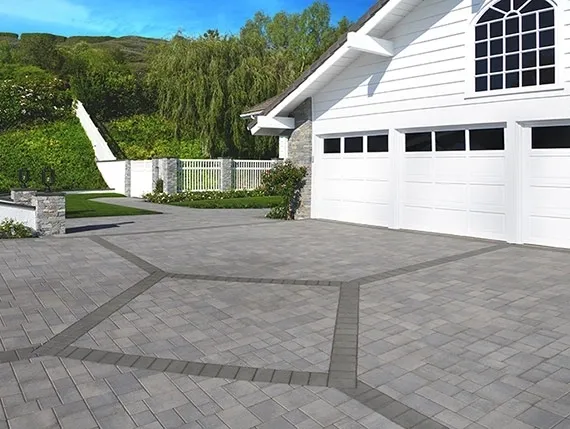
The Benefits of Pavers Compared to Cement
Estimated reading time: 5 minutes

When it comes to choosing the right material for driveways, patios, walkways, or pool decks, homeowners and businesses often face a choice between pavers and cement.
While cement may seem like the standard, pavers offer numerous advantages in terms of durability, aesthetics, maintenance, and flexibility. In this article, we will explore why pavers are a superior choice and provide a detailed comparison to help you make an informed decision for your next hardscaping project.
1. Durability and Longevity
One of the most significant advantages of pavers over cement is their durability. While cement slabs are prone to cracking due to weather changes, ground movement, and heavy loads, pavers are designed to withstand such stresses.
- Pavers:
Because they are installed in small, interlocking units, pavers can flex slightly under pressure. This flexibility prevents cracking and extends their lifespan significantly. High-quality pavers can last 30 years or more with proper maintenance.
- Cement:
Cement slabs, although initially durable, can develop cracks over time. Once a crack appears, it can spread quickly, leading to costly repairs or replacements.
2. Maintenance and Repairs
The maintenance requirements and ease of repair are crucial factors when comparing pavers and cement.
- Pavers:
Pavers are easy to maintain. Regular sweeping and occasional washing are enough to keep them clean. If a paver gets stained or damaged, you can simply replace the individual unit without disturbing the rest of the surface.
- Cement:
Cement surfaces require regular sealing to prevent cracks, staining, and water damage.
Once a crack develops, repair options are limited. Often, the entire slab needs resurfacing or replacement, which can be expensive.
3. Aesthetic Appeal.
Curb appeal is a significant factor for any property, and pavers offer unmatched design flexibility.
- Pavers:
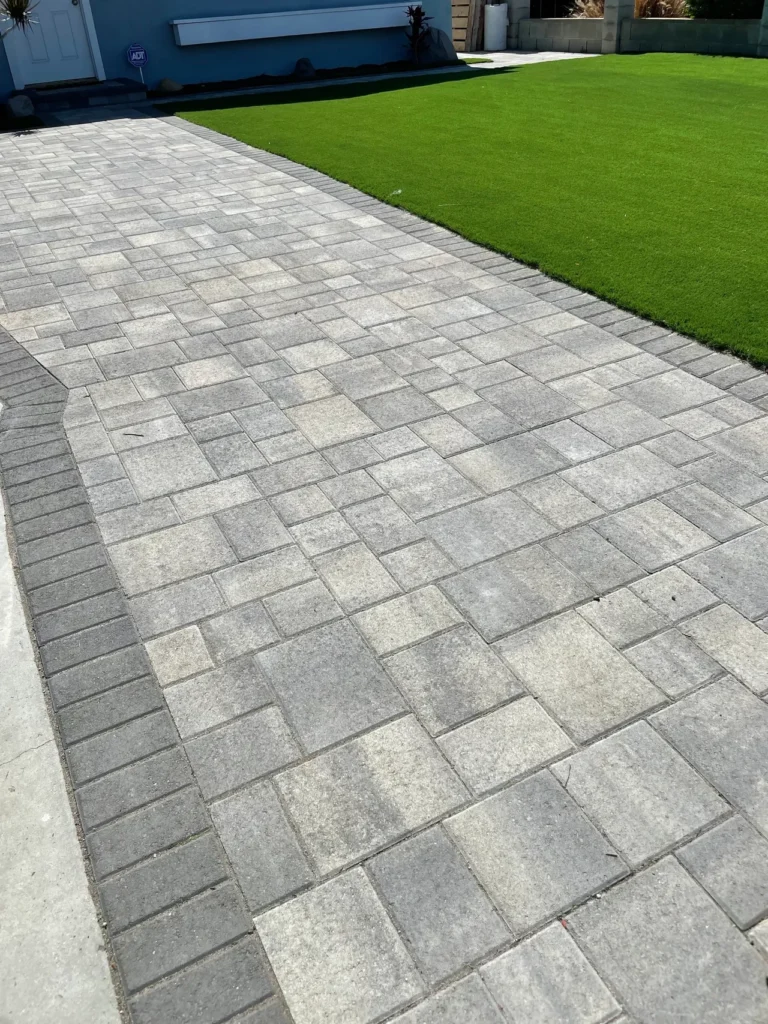
Available in various colors, shapes, patterns, and textures, pavers can be customized to match any style. Whether you want a modern look or a rustic feel, pavers can enhance the overall aesthetic of your outdoor space. They can also mimic the appearance of natural stone or brick, adding a premium touch to your property.
- Cement:
Cement, on the other hand, is limited in design options. While stamped or stained cement can offer more aesthetic variety, it still lacks the depth and character that pavers provide. Additionally, decorative cement tends to fade over time and requires regular resealing to maintain its appearance.
4.Slip Resistance and Safety.
Safety is another critical consideration, especially for pool decks and walkways.
- Pavers:
Many pavers are manufactured with a textured surface that enhances slip resistance, making them a safer option in wet or icy conditions.
- Cement:
Cement surfaces can become slippery when wet, increasing the risk of falls. Although textured or stamped cement can improve slip resistance, it still doesn’t match the performance of pavers.
5. Environmental Benefits
Pavers offer several eco-friendly advantages over cement.
- Pavers:
Many pavers are permeable, allowing water to pass through and recharge the groundwater. This reduces water runoff and minimizes erosion.
Some manufacturers also use recycled materials to create pavers, further enhancing their environmental benefits.
- Cement:
Cement production is energy-intensive and contributes significantly to COâ‚‚ emissions.
Additionally, non-permeable cement surfaces increase water runoff, which can lead to soil erosion and flooding.
6. Versatility
Whether you are working on a driveway, patio, walkway, or pool deck, pavers are incredibly versatile.
- Pavers:
Their modular nature makes them suitable for various applications, from small garden paths to large commercial plazas.
They can be easily adjusted to fit unique designs and layouts.
- Cement:
While cement can be used for the same applications, it’s harder to achieve intricate designs and unique layouts without significant labor and added cost.
7. Value Addition.
Installing pavers can significantly enhance the value of your property.
- Pavers:
Due to their aesthetic appeal, durability, and low maintenance, pavers make a property more attractive to potential buyers.
They are seen as a high-end material that adds curb appeal and functionality.
- Cement:
While cement provides a functional surface, it lacks the premium appeal of pavers. Over time, worn or cracked cement can negatively affect the property’s appearance and resale value.

Conclusion:
While both pavers and cement have their place in construction, pavers offer superior benefits in terms of durability, aesthetics, maintenance, and environmental impact.
For homeowners and business owners looking for a long-lasting, low-maintenance, and luxury visually appealing solution, pavers are the clear winner.
Whether you are upgrading a driveway or designing a backyard patio, choosing pavers can provide long-term value and a stunning finish that enhances the beauty and functionality of your outdoor spaces. If you are ready to invest in a hardscaping project that stands the test of time, consider opting for pavers over cement.
For professional installation and customized designs, contact our experienced hardscape team at Build Up Remodeling Inc today!
We specialize in creating beautiful, lasting outdoor spaces tailored to your unique vision.