
10 Patio Paver Design Ideas That Look Custom

Estimated reading time: 8 minutes
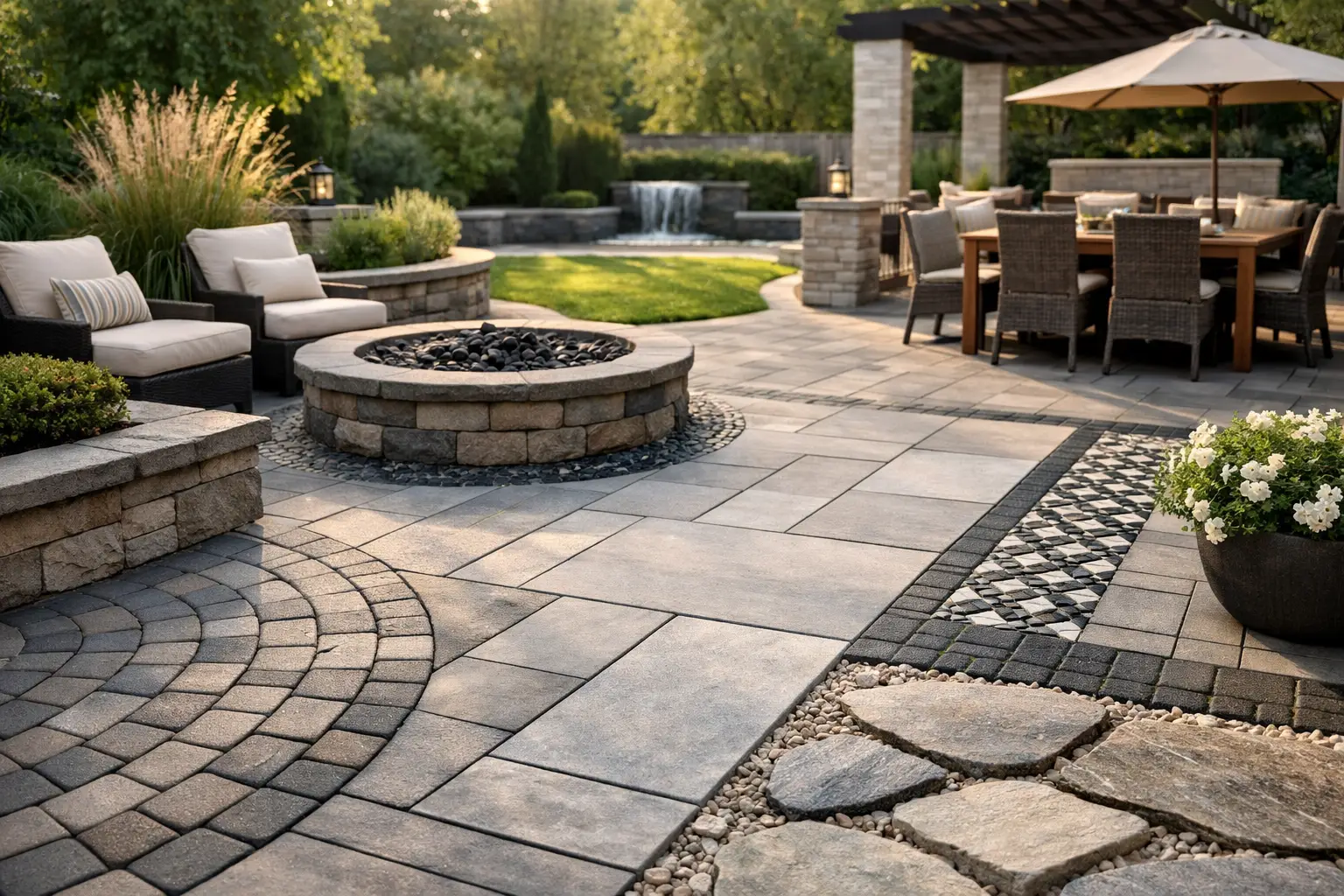
A patio can look expensive without feeling forced, or it can look busy, dated, and disconnected from the house. The difference usually comes down to design decisions made before the first paver is installed. Strong patio paver design ideas are not just about choosing a pattern you like. They shape how the yard feels, how people move through it, and whether the finished space looks truly custom.
For Southern California homeowners, that matters. Outdoor living is not a seasonal extra here. It is part of daily life, entertaining, family time, and property value. A well-designed paver patio should work as hard as it looks good.
What makes patio paver design ideas look high-end
The best patios do not rely on one flashy feature. They feel intentional from edge to edge. Scale, color, layout, borders, elevation changes, and how the patio connects to the home all matter more than many homeowners expect.
A premium result usually starts with proportion. If the pavers are too small for a large yard, the surface can feel visually noisy. If the color blend fights with the home facade, even quality materials can feel off. And if the patio shape ignores traffic flow, the space will never feel as polished as it should.
That is why the strongest designs balance aesthetics with use. A patio built for dining needs different spacing than one built around a fire feature. A poolside entertainment zone should not be detailed the same way as a front courtyard. Good design is never one-size-fits-all.
10 patio paver design ideas worth considering
1. Large-format pavers for a cleaner, more modern look
Large-format pavers create a sleek surface with fewer joint lines, which gives the patio a more expansive appearance. This is especially effective in contemporary homes, open backyards, and spaces where you want the patio to feel calm rather than busy.
They also pair well with minimalist outdoor kitchens, linear fire features, and clean architectural lines. The trade-off is that large pavers need precise base preparation and careful installation. When the groundwork is off, the finished surface shows it quickly.
2. A contrasting border that frames the patio
One of the most reliable ways to make a paver patio look custom is to frame it with a border in a different tone, shape, or laying pattern. It gives the space definition and helps the patio read as a designed feature rather than a flat field of pavers.
A dark charcoal border around a warm-toned main field is a popular choice because it adds structure without becoming too busy. In more traditional homes, a soldier course or double border can add formality. The key is restraint. Too many border changes can make the design feel fragmented.
3. Herringbone patterns for strength and movement
If you want a classic pattern that still feels upscale, herringbone is one of the best choices. It adds visual movement and has a tailored look that works well for patios, walkways, and even driveways when you want continuity across the property.
It is also practical. Herringbone interlocks well, which can support long-term durability in heavily used areas. The pattern is more detailed than a standard running bond, so it tends to look more finished, especially in entertaining spaces.
4. Mixed-tone pavers that hide dust and wear
Solid colors can look sharp in the right setting, but blended tones often perform better in active outdoor spaces. They hide dirt more naturally, soften glare in bright sun, and add depth to the patio surface.
This matters in places like Los Angeles, where intense light can flatten colors fast. A subtle mix of taupe, sand, gray, or warm earth tones often ages better visually than a single flat shade. The right blend should still coordinate with the house, pool coping, walls, and any adjacent hardscape.
5. Geometric layouts that define separate zones
Open-concept backyards need structure. One of the smartest patio paver design ideas is using layout shifts to define separate functions without building walls or raising barriers. The dining area can run one direction, while the lounge area shifts pattern or border detail to create a quiet distinction.
This approach works especially well in larger backyards with multiple features. It keeps the space feeling organized and custom while maintaining visual flow. The patio still reads as one project, just with better control and purpose.
6. Stepping transitions between elevations
Not every patio should be one flat plane. If the yard has a slope or the architecture calls for layered outdoor living, a stepped paver layout can create a much stronger result than forcing everything into one level.
A shallow step down from the covered patio to a fire pit lounge, or from the home to a pool deck, adds dimension and can make the yard feel larger. It also helps separate uses naturally. The design challenge is safety and proportion. Steps need to be wide, well-lit, and integrated into the overall layout so they feel elegant, not added as an afterthought.
7. Turf and paver combinations for a softer modern edge
For homeowners who want a resort-style look, combining pavers with artificial turf can create strong contrast and a more curated outdoor feel. This works well with linear stepping pads, poolside paths, side yards, and patio extensions where you want some softness without the maintenance of natural grass.
Used well, this style looks sharp and architectural. Used too heavily, it can start to feel overly stylized. The balance matters. Turf should support the paver design, not compete with it.
8. Circular or fan accents in focal areas
Most patios benefit from one focal moment. A circular inset under a dining table, a fan pattern near an entry point, or a centered accent in a courtyard can give the layout personality without overwhelming it.
This idea works best when the space already has symmetry or a natural center. If the yard is highly modern or intentionally minimal, decorative inserts may feel out of place. But in transitional and traditional designs, they can add a custom signature that elevates the entire hardscape.
9. Seamless indoor-outdoor color coordination
Some of the most impressive patio designs do not call attention to the pavers first. They create a smooth visual transition from inside the home to the outdoor living area. That usually comes from coordinating tones with flooring, exterior paint, trim, or stone accents.
The goal is not to match everything exactly. That can feel flat. The better move is to stay in the same temperature range and use texture to add contrast. Warm contemporary homes often do well with sandy grays and soft taupes, while crisper architecture may lean into cooler grays with cleaner lines.
10. Integrated features that make the patio feel built in
The most convincing custom patios rarely stand alone. They connect to seat walls, planters, fire features, outdoor kitchens, lighting, or patio covers in a way that makes the whole yard feel planned from the start.
This is where design matters most. Even beautiful pavers can feel incomplete if the patio stops abruptly or does not relate to surrounding features. When the hardscape is planned as part of a full outdoor environment, the result feels far more architectural and far more valuable.
How to choose the right design for your property
The right patio is not the trendiest one. It is the one that fits your home, your lot, and the way you actually live outside.
If your property leans modern, cleaner patterns and larger pavers usually create the strongest result. If the home has more traditional detailing, mixed tones and structured borders may feel more natural. If you entertain often, prioritize circulation, dining clearance, and how guests move between the house, patio, and yard features.
Sun exposure also matters more than most homeowners realize. Very light pavers can reduce heat but may create glare. Very dark pavers can look dramatic but absorb more warmth. In high-sun areas, the best answer is often a balanced mid-tone palette with texture that adds grip and visual depth.
Drainage, slope, and surrounding materials should also guide the design. A great layout on paper can fail quickly if it ignores grading or transitions to other surfaces. That is one reason a design-build approach is so valuable. The patio has to work below the surface as well as above it.
Why installation quality changes the entire result
A great paver selection does not rescue poor execution. Lines that drift, uneven spacing, weak edge restraint, and bad grading can make even premium materials look average.
High-end patio design depends on precise preparation, proper compaction, and a layout that is mapped with intention. This is especially true for larger-format pavers, multi-zone patios, and projects that connect to pools, retaining elements, or outdoor kitchens. The more custom the design, the more important craftsmanship becomes.
That is where experienced planning pays off. Homeowners investing in a major exterior upgrade want clarity from the beginning, not vague allowances and design changes in the middle of construction. A detailed scope, visual planning, and disciplined project management protect the finish as much as the budget.
Build Up Remodeling Inc approaches patio design that way because luxury outdoor spaces are not created by guesswork. They are built through clear planning, polished design, and execution that holds up long after the project is complete.
The best patio should feel like it belongs to your home, your lifestyle, and the way you want to use your yard five years from now, not just this summer.
Get Started
Send us a brief message and let’s work together.
"*" indicates required fields
We try our best to reach out in less then 24 Hours.